Samsung and LG both make excellent TVs, and in 2026 they compete head to head at every price, with OLEDs at the top and Mini-LED LCDs below them. Brand matters less than the model and your room. Still, each has clear strengths: LG is the OLED specialist, with Dolby Vision support and the most proven OLED lineup. Samsung is stronger in Mini-LED LCDs and makes the best OLEDs for bright rooms, thanks to its matte Glare-Free screens.
The short answer: for a living room you can darken, buy an LG C6 OLED. For a bright room with windows, buy a Samsung S90H OLED, or a Samsung Neo QLED like the QN90H if you want more brightness for less money. If you stream a lot of Dolby Vision content from Netflix, Disney+, or Apple TV, lean LG, because Samsung TVs don’t support Dolby Vision.
Samsung vs. LG at a glance
| Spec | Samsung | LG |
|---|---|---|
| Best at | Bright rooms, Mini-LED LCDs | OLED, dark-room movie watching |
| OLED lineup (2026) | S85H, S90H, S95H | B6, C6, G6 |
| LCD lineup (2026) | Neo QLED (QN70H, QN80H, QN90H) and QLED | QNED Mini-LED and QNED |
| Anti-glare screen | Matte Glare-Free on S90H, S95H, and QN90H | Glossy on most OLEDs |
| HDR formats | HDR10, HDR10+, HLG (no Dolby Vision) | HDR10, Dolby Vision, HLG (no HDR10+) |
| Smart TV software | Tizen | webOS |
| Remote | SolarCell remote, solar and USB-C charging | Magic Remote with point-and-click cursor |
| US warranty | 1 year | 1 year (G6 adds panel coverage) |
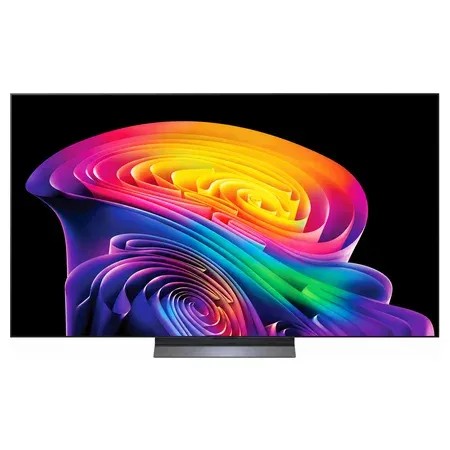
Best LG TV for most people
LG C6 OLED (65-inch)
Perfect blacks, Dolby Vision, four HDMI 2.1 ports, and 165 Hz VRR, from 42 to 83 inches.
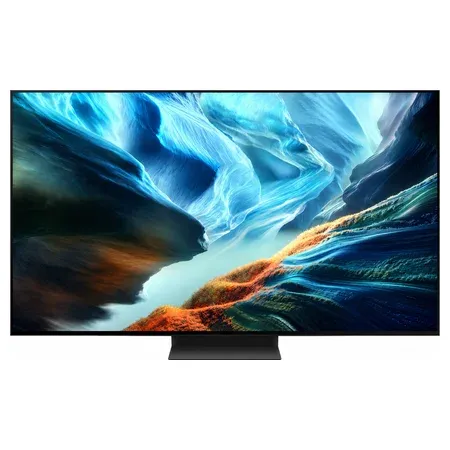
Best samsung TV for most people
Samsung S90H OLED (65-inch)
An OLED with Samsung's matte Glare-Free screen, 165 Hz gaming, and four HDMI 2.1 ports.
The 2026 Lineups
Both brands sell three OLED tiers and a range of LCDs, with the 65-inch list prices lining up almost dollar for dollar:
| 65-inch, list price | Samsung | LG |
|---|---|---|
| Entry OLED | S85H, $1,299.99 | B6, $1,299.99 |
| Mid OLED | S90H, $1,499.99 | C6, $1,499.99 |
| Flagship OLED | S95H, $2,499.99 | G6, $2,499.99 |
| Mini-LED | QN70H $899.99, QN80H $1,099.99, QN90H | QNED85B $799.99 |
Street prices run lower, especially around Black Friday. On Amazon, the 65-inch LG C6 has been about $1,400 and the Samsung QN90H about $1,200.
OLED: LG vs. Samsung
All OLEDs share the same core strength: each pixel lights itself and switches off completely, so blacks are perfect and contrast is unmatched in a dark room. The two brands differ in panel type and screen finish.
LG uses its sister company LG Display’s WOLED panels across the B6, C6, and G6. The C6 is the sweet spot. It measures 1,355 nits on a 10% HDR window, up from last year’s C5, supports Dolby Vision, has four HDMI 2.1 ports, and comes in six sizes from 42 to 83 inches. The G6 uses a brighter panel and adds extra panel warranty coverage. The B6 is the cheapest LG OLED, with a 120 Hz refresh rate instead of 165 Hz.
Samsung uses two panel types. The S95H has a Samsung Display QD-OLED panel, which keeps colors saturated at high brightness, and measures 2,721 nits on a 10% window. In the US, the S90H and S85H actually use LG Display WOLED panels, the same family as LG’s TVs. What sets Samsung’s S90H and S95H apart is a matte Glare-Free coating that diffuses lamps and windows into a soft haze instead of a mirror image.
The upshot: in a dark room, an LG C6 and Samsung S90H look very similar, and the C6’s Dolby Vision support gives it the edge. In a room with windows or overhead lights, Samsung’s matte screen makes a bigger difference than anything else. For more on how OLED compares with Mini-LED, see OLED vs. QLED.
Mini-LED and QLED: Samsung vs. LG
Below the OLEDs, Samsung is the stronger brand. Its Neo QLED TVs use Mini-LED backlights with many local dimming zones, which keeps blacks dark next to bright highlights, and they get much brighter than any OLED, which helps in sunny rooms. The QN90H is Samsung’s best mainstream Mini-LED for 2026, with a matte Glare-Free screen and a 144 Hz refresh rate. The QN70H and QN80H are cheaper Neo QLEDs. Samsung’s plain “QLED” models don’t have Mini-LED backlights and are a step down.
LG’s QNED TVs are LCDs too, and the QNED85B adds a Mini-LED backlight for $799.99 at 65 inches. LG’s LCDs have historically trailed Samsung’s in contrast and brightness, because LG has favored wide-viewing-angle panels that let more light leak into dark scenes. If you’re buying an LCD from these two, a Samsung Neo QLED is usually the better TV for the money.
Neither is the value leader for Mini-LED, though. TCL and Hisense sell brighter Mini-LEDs for less. Our best TVs guide covers those.
HDR: Dolby Vision vs. HDR10+
HDR formats tell the TV how bright each scene should be. Both brands support the basic HDR10 and HLG formats, but they’ve picked sides on the dynamic formats, which adjust scene by scene:
- LG supports Dolby Vision, the format most streaming services use for their HDR originals, including Netflix, Disney+, Max, and Apple TV. LG doesn’t support HDR10+.
- Samsung supports HDR10+ and doesn’t support Dolby Vision. Prime Video and some other services offer HDR10+. On a Samsung, Dolby Vision content plays in regular HDR10 instead.
A good TV still looks great with HDR10, so this isn’t a dealbreaker, but if most of what you watch is Netflix and Disney+ in Dolby Vision, LG gets the most out of it.
Smart TV Software and Remotes
Samsung uses Tizen, and LG uses webOS. Both have every major streaming app, built-in free channels (Samsung TV Plus and LG Channels), AirPlay, and voice control, and both show plenty of ads and sponsored rows on the home screen. Many people plug in a Roku, Apple TV, or Fire TV stick instead.
Both brands promise long software support. Samsung says recent TVs get seven years of Tizen OS upgrades, and LG’s webOS Re:New program promises recent TVs four upgrades over five years.
The remotes are a real difference. LG’s Magic Remote works like a Wii controller, with an on-screen cursor you point and click, which makes typing and navigating menus fast. Samsung’s SolarCell remote is minimal and charges from room light or USB-C, so you never buy batteries.
Gaming
Both brands are excellent for a PS5, Xbox Series X, or gaming PC. The LG C6 and Samsung S90H both have four HDMI 2.1 ports and support up to 165 Hz with variable refresh rate, plus auto low-latency mode. LG’s game optimizer menu and long track record with PC gamers make the C6 a favorite, while Samsung’s Gaming Hub streams Xbox Cloud Gaming and other services without a console. It’s close to a tie.
Warranty and Burn-In
Both brands give a one-year standard US warranty. LG’s G6 adds panel-only coverage for years two through five, though you pay for labor. Neither advertises burn-in coverage on its mainstream 2026 OLEDs in the US.
Burn-in is a risk with any OLED if the same image stays on screen for hours every day, like a news ticker or a game’s HUD. For normal mixed viewing, it’s low. If you leave cable news on all day, a Mini-LED is the safer buy from either brand.
Which Should You Buy?
Buy an LG TV if:
- You want an OLED for a room you can darken, ideally the C6
- You watch a lot of Dolby Vision content on Netflix, Disney+, or Apple TV
- You like a point-and-click remote
Buy a Samsung TV if:
- Your TV faces windows or bright lights; get the S90H or S95H with a matte Glare-Free screen
- You want a bright Mini-LED LCD; the QN90H is the pick
- You’d rather never buy remote batteries again
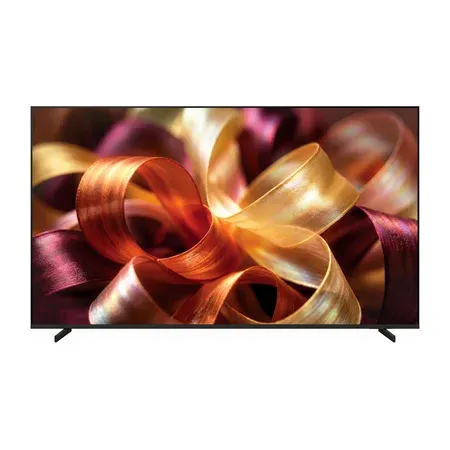
Best samsung Mini-LED
Samsung QN90H Neo QLED (65-inch)
A bright Mini-LED TV with a matte Glare-Free screen, 144 Hz gaming, and four HDMI ports.
Not sure what size to get? Our TV size calculator works it out from your viewing distance, and the 65-inch TV page lists real dimensions for many of these models.
Samsung vs. LG TV FAQ
Are Samsung or LG TVs more reliable?
Both are reliable mainstream brands with one-year standard warranties, and neither has a clear edge in long-term reliability across its whole lineup. The type of TV matters more: OLEDs from both can develop burn-in with heavy static content.
Is Samsung or LG better for OLED?
LG for dark rooms and Dolby Vision, Samsung for bright rooms because of its matte Glare-Free screen. In the US, Samsung’s S90H and S85H use LG Display panels, so picture quality is close.
Does Samsung support Dolby Vision?
No. Samsung TVs support HDR10+ instead. Dolby Vision content plays in standard HDR10 on a Samsung.
Is LG QNED better than Samsung QLED?
Compare like with like. Samsung’s Neo QLED models have Mini-LED backlights and generally beat LG’s QNED models on contrast and brightness. Samsung’s plain QLEDs, without Mini-LED, are closer to LG’s basic QNEDs.
Which is better for gaming, Samsung or LG?
They’re close. The LG C6 and Samsung S90H both have four HDMI 2.1 ports and run up to 165 Hz with variable refresh rate. LG has the longer track record with PC gamers; Samsung has a built-in cloud gaming hub.
Is Tizen or webOS better?
They’re similar, with all the major apps and plenty of ads. LG’s Magic Remote pointer makes webOS a little faster to navigate. If you dislike both, a Roku or Apple TV box works the same on either TV.