Vaseline and Aquaphor sit next to each other in every drugstore, and dermatologists recommend both for dry, cracked skin. They’re more alike than the price gap suggests: both are petroleum-based ointments sold as skin protectants. The difference is what else is in the jar. Vaseline is 100% petroleum jelly. Aquaphor is 41% petrolatum mixed with mineral oil, waxes, lanolin alcohol, glycerin, panthenol and bisabolol.
That makes Vaseline a pure seal that locks moisture in. Aquaphor is a softer, creamier blend that also adds a little moisture and soothing ingredients, at roughly two to three times the price per ounce.
The short answer: for most uses, including chapped lips, cracked heels, dry hands, slugging and protecting minor cuts, Vaseline works as well as Aquaphor and costs less. Choose Aquaphor if you prefer a texture that spreads more easily and feels less greasy, or for very dry, irritated skin where its extra humectants help. Choose Vaseline if you’re allergic to lanolin, have sensitive or eczema-prone skin, or are caring for a fresh wound.
Vaseline Original Healing Jelly vs. Aquaphor Healing Ointment
| Spec | Vaseline Original Healing Jelly | Aquaphor Healing Ointment |
|---|---|---|
| Maker | Unilever | Beiersdorf (also makes Eucerin and Nivea) |
| Active ingredient | White petrolatum 100% | Petrolatum 41% |
| Other ingredients | None | Mineral oil, ceresin, lanolin alcohol, panthenol, glycerin, bisabolol |
| Contains lanolin | No | Yes (lanolin alcohol) |
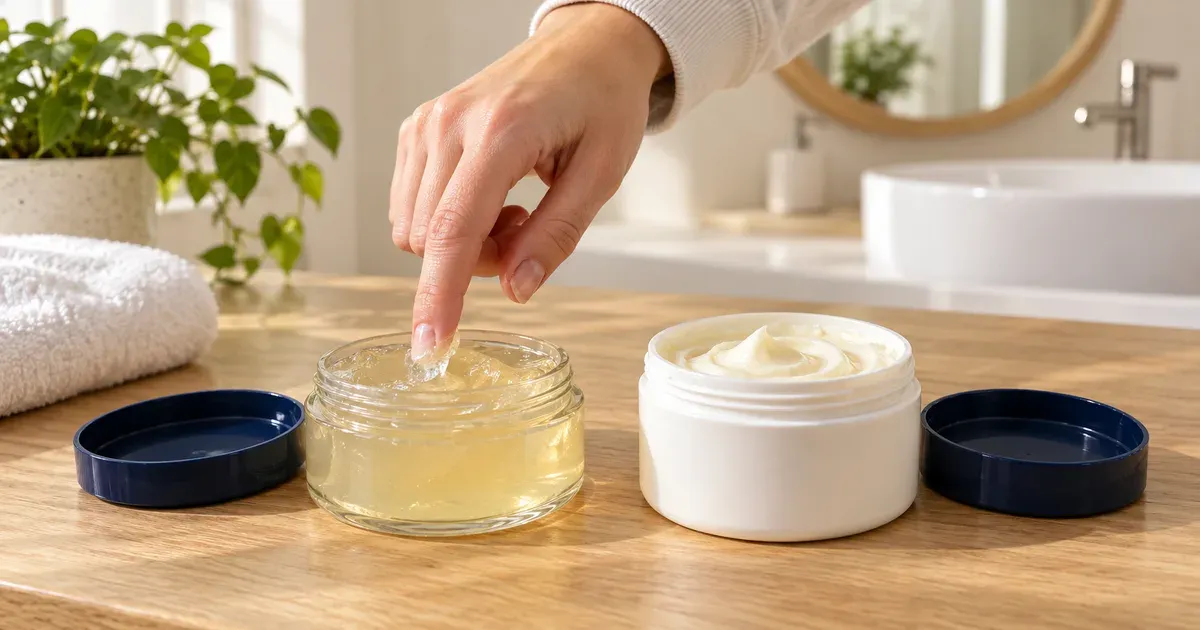
| Texture | Thick, clear, slick jelly | Softer, creamier, off-white ointment |
| How it works | Occlusive: seals in moisture | Mostly occlusive, plus humectants that draw in water |
| Fragrance | Fragrance-free | Fragrance-free, preservative-free |
| National Eczema Association Seal | Yes | Not listed |
| Typical price | About $6 for 13 oz (about $0.46/oz) | About $16 for 14 oz (about $1.18/oz) |
What’s Actually in Each One
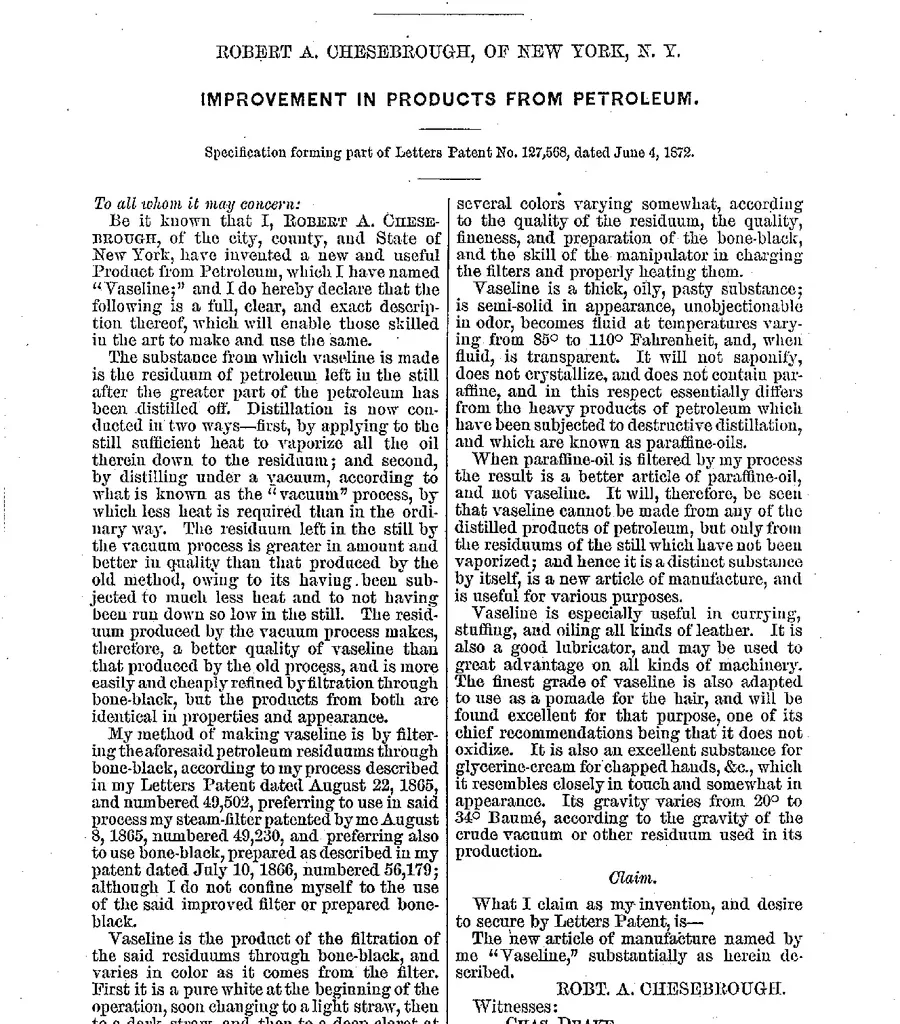
Vaseline has one ingredient: white petrolatum, a purified, semi-solid blend of hydrocarbons refined from petroleum. Robert Chesebrough patented it under the name “Vaseline” in 1872, and Unilever still sells the Original jelly as “triple purified.” It’s labeled as a skin protectant, an over-the-counter drug category the FDA allows for products containing 30% to 100% petrolatum.
Aquaphor Healing Ointment uses the same active ingredient at 41%. The rest of the formula changes how it feels and behaves:
- Mineral oil and ceresin (a wax) soften the texture and help it spread.
- Lanolin alcohol, from sheep’s wool grease, is an emollient that helps hold water in the skin.
- Glycerin is a humectant that draws water into the outer layer of skin.
- Panthenol (provitamin B5) and bisabolol (from chamomile) are soothing ingredients.
Aquaphor calls itself “semi-occlusive,” meaning it seals less completely than pure petroleum jelly. That’s a marketing distinction more than a medical one. Both form a protective layer that slows water loss.
Which Works Better for Dry Skin?
For locking in moisture, petroleum jelly is hard to beat. It’s one of the most effective occlusives available, cutting water loss through the skin by about 98%, according to a review of moisturizers in the Indian Journal of Dermatology (Sethi et al., 2016). Petrolatum isn’t completely inert, either: in a 2016 study, it boosted the skin’s own antimicrobial proteins and barrier markers in healthy people and people with eczema (Czarnowicki et al., 2016).
The catch is that an occlusive only holds in water that’s already there. Neither product adds much moisture on its own. Apply either one to damp skin, right after a shower or hand washing, or layer it over a moisturizer. Aquaphor’s glycerin gives it a small edge on skin that’s dry to begin with, but over a good lotion, the difference mostly disappears.
Texture is the real deciding factor for most people. Vaseline is thicker and slicker and can feel sticky. Aquaphor spreads more easily and sinks in a little more, which makes it nicer on hands and faces during the day.
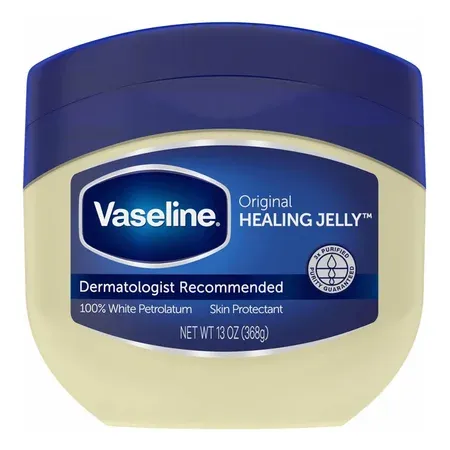
Best value
Vaseline Original Healing Jelly
100% triple-purified petroleum jelly with the National Eczema Association Seal, for about $6 a jar.
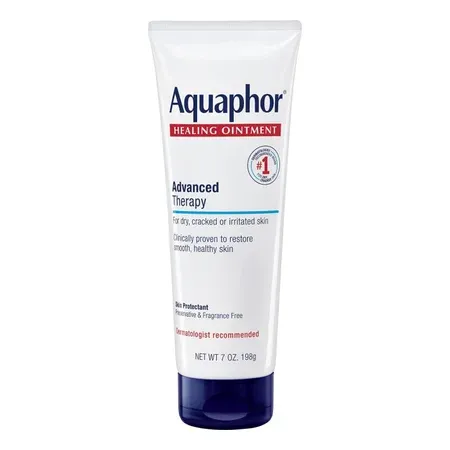
Best texture
Aquaphor Healing Ointment
A creamier 41% petrolatum ointment with glycerin and panthenol that spreads more easily than plain jelly.
The 7-ounce tube is the easiest size to use. If you go through a lot, the 14-ounce Aquaphor jar is about a third cheaper per ounce.
Lanolin: The Biggest Difference
Lanolin is the main reason to choose one over the other. It’s a well-known contact allergen; the American Contact Dermatitis Society named it 2023’s Allergen of the Year. Among nearly 26,000 people patch-tested by North American dermatologists from 1994 to 2006, 2.5% reacted to lanolin alcohol (Warshaw et al., Dermatitis, 2009). Those were people already being tested for a suspected skin allergy, so the rate in the general public is lower, but people with eczema and damaged skin are more likely to react.
If Aquaphor ever makes your skin red, itchy or bumpy, lanolin is the likely cause. Switch to Vaseline, which has nothing else in it. CeraVe Healing Ointment is another lanolin-free option.
Which Is Better for Wounds and After Procedures?
Both are widely used to keep minor cuts, scrapes and stitches moist while they heal, which helps wounds close faster and scar less than letting them dry out. But for fresh wounds, plain petroleum jelly has an edge. In a 2013 study of patients after dermatologic surgery, 52% of wounds treated with Aquaphor developed redness, compared with 12% of those treated with white petrolatum (Morales-Burgos et al., Journal of Drugs in Dermatology, 2013).
That’s why many dermatologists tell patients to use plain petroleum jelly after a biopsy or Mohs surgery. Use a clean cotton swab or a squeeze tube rather than dipping fingers into a jar you’ll keep using, and follow your doctor’s instructions if they differ.
Vaseline or Aquaphor for Every Use
| Use | Better pick | Why |
|---|---|---|
| Chapped lips | Either | Both seal in moisture. Aquaphor feels less sticky; both come in lip versions |
| Cracked heels and hands | Either | Apply a thick layer at night, ideally under cotton socks or gloves |
| Slugging (a thin layer over your night routine) | Vaseline | Cheaper, and nothing in it to irritate the face. It won’t clog pores, but skip it over acne-prone areas if you break out |
| Eczema | Vaseline | Carries the National Eczema Association Seal, and has no lanolin |
| Fresh cuts, stitches and post-procedure care | Vaseline | Less wound redness in a head-to-head study |
| New tattoos | Either, sparingly | Many artists recommend Aquaphor. Use a very thin layer for the first few days and follow your artist’s aftercare |
| Diaper rash | Either | Both are approved skin protectants; Aquaphor sells a baby version |
| Lanolin allergy | Vaseline | Aquaphor contains lanolin alcohol |
| Daytime use on hands or face | Aquaphor | Spreads more easily and feels less greasy |
What About CeraVe Healing Ointment?
CeraVe Healing Ointment is the third option in the aisle. Like Aquaphor, it’s a petrolatum-based skin protectant (46.5%), but it skips lanolin and adds three ceramides and hyaluronic acid. It’s lanolin-free and fragrance-free, and the National Eczema Association has accepted it. It costs more per ounce than either jar, but it’s a good middle ground if you like Aquaphor’s texture and can’t use lanolin.
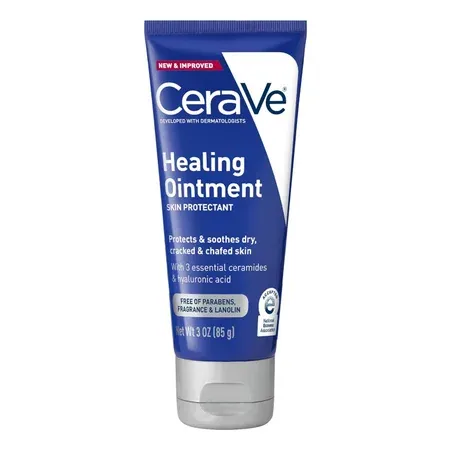
Best Lanolin-Free alternative
CeraVe Healing Ointment
A petrolatum ointment with ceramides and hyaluronic acid, free of lanolin and fragrance.
Is Petroleum Jelly Safe?
Yes. Cosmetic and pharmaceutical petrolatum is highly refined to remove the contaminants found in crude petroleum, and US skin protectants must meet USP purity standards. The main cautions are practical:
- Don’t put it on burns while they’re hot. Cool a minor burn under running water first, then protect it.
- Don’t use it inside the nose for long periods or near oxygen. Inhaled petroleum jelly can cause a rare lung problem, and it’s flammable near oxygen equipment.
- It can stain sheets and clothes, so let it sink in or wear old socks and gloves overnight.
How to Choose
- Want the cheapest, simplest option for almost everything: Vaseline.
- Prefer a lighter, less greasy feel for daily use: Aquaphor.
- Lanolin allergy, eczema, or a fresh wound: Vaseline, or CeraVe Healing Ointment if you want a softer texture.
- Very dry skin: either one, applied to damp skin over a moisturizer. See our CeraVe Daily Moisturizing Lotion review for a good base layer.
For gentle cleansers to go with them, read our CeraVe vs. Cetaphil and Vanicream vs. CeraVe comparisons.