Yes, sunscreen expires. In the US, sunscreen is regulated as an over-the-counter drug, and the FDA requires it to stay at full strength for at least three years or carry an expiration date. Most sunscreens are made to last about three years. If a bottle has no expiration date, the FDA says to treat it as good for no more than three years from purchase, and less if it has been stored somewhere hot.
The short answer: check the date stamped on the bottle, tube end or bottom of the can. Throw sunscreen out once it’s past that date, if it’s more than three years old with no date, or if it has separated, gone grainy, changed color or smells off. If you’re using enough sunscreen, a bottle shouldn’t last long enough to expire anyway.
How Long Does Sunscreen Last?
| Situation | How long it lasts |
|---|---|
| Has an expiration date | Until that date, if stored properly |
| No expiration date | Up to 3 years from purchase |
| Stored in a hot car, beach bag or direct sun | Shorter; replace it if it looks or smells different |
| Opened | Same date, but don’t keep it past one summer of heavy use |
Why the three-year rule? FDA rules require drug products, sunscreen included, to carry an expiration date unless stability testing shows they hold up for at least three years. A bottle without a date has been shown to stay stable for at least three years from when it was made, and the FDA’s consumer advice simplifies that to three years from purchase.
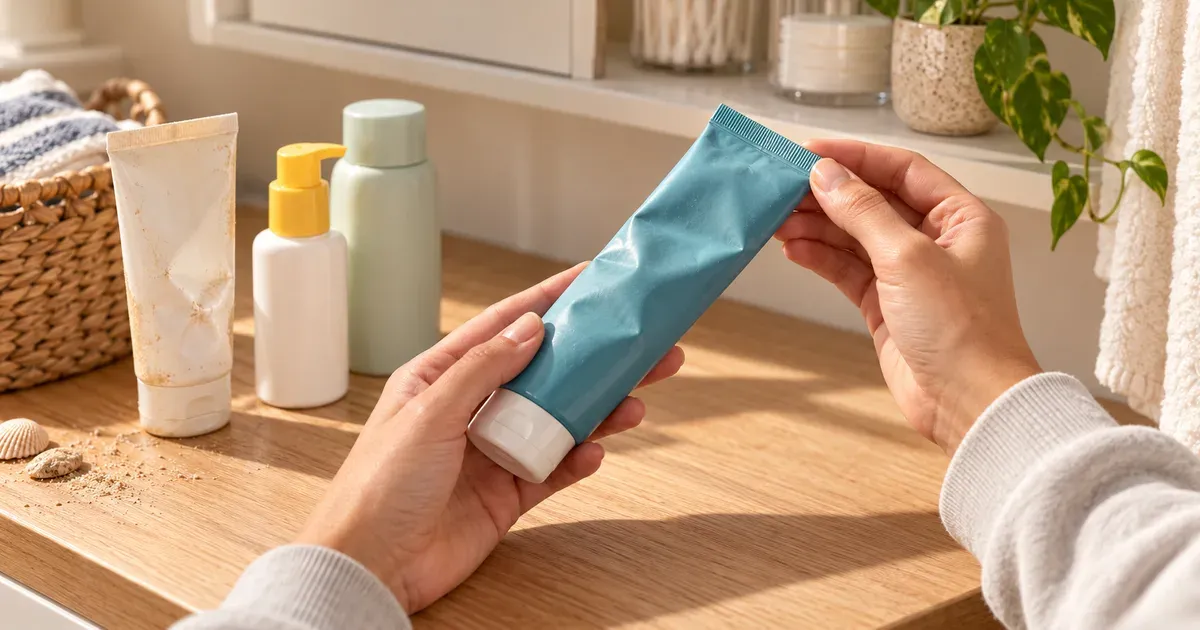
Where to find the date: on the crimped end of squeeze tubes, the bottom of bottles and spray cans, or near the lot number on the label. It’s often stamped into the plastic and easy to miss. If you can’t find one, write the purchase month on the bottle with a marker.
What Happens When Sunscreen Expires
Sunscreen filters break down over time. Heat speeds that up, and so does sunlight. Some chemical filters, like avobenzone, are naturally unstable and depend on stabilizing ingredients that also degrade. As they break down, the SPF on the label stops being accurate. The emulsion that keeps the filters evenly spread can also separate, so you get patchy protection even if you rub it in.
The result is a higher risk of sunburn and sun damage while you think you’re protected. Expired sunscreen isn’t usually dangerous to put on, but it can irritate skin as preservatives weaken, and contamination becomes more likely in an old, much-opened bottle.
How to Tell If Sunscreen Has Gone Bad
Replace it, whatever the date says, if:
- It has separated into a watery layer and a thick layer that won’t mix back together when you shake it.
- The texture changed: grainy, lumpy, clumped, unusually runny or thick.
- The color changed, often yellowing or darkening.
- It smells different: sour, rancid or stronger than when you bought it.
- A spray sputters or won’t spray evenly.
- You got burned using an amount and routine that used to protect you.
Mineral sunscreens (zinc oxide and titanium dioxide) are more stable than chemical filters, but their emulsions can still separate, so the same checks apply.
How to Store Sunscreen So It Lasts
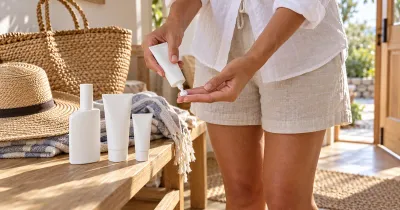
- Keep it out of heat. Don’t leave it in a car, on a sunny windowsill or in a hot beach bag. At the beach, wrap it in a towel or keep it in the shade or a cooler.
- Close the cap tightly after each use to keep out air, sand and bacteria.
- Store it at room temperature at home, in a closet or cabinet rather than a steamy bathroom shelf in direct sun.
- Don’t refrigerate or freeze lotion sunscreens unless the label says it’s fine; extreme cold can also break the emulsion.
If Your Sunscreen Is Expiring, You’re Using Too Little
Dermatologists recommend about 1 ounce, a shot glass full, to cover the body, and about 1/4 teaspoon for the face and neck. That means a typical 3-ounce bottle covers only about three full-body applications, and a 1.7-ounce face sunscreen lasts about six weeks of daily use. If the same bottle is still around after a summer, you’re almost certainly applying too little to get the SPF on the label.
If yours is past its date, a fresh bottle doesn’t have to cost much. Two good, inexpensive mineral options:
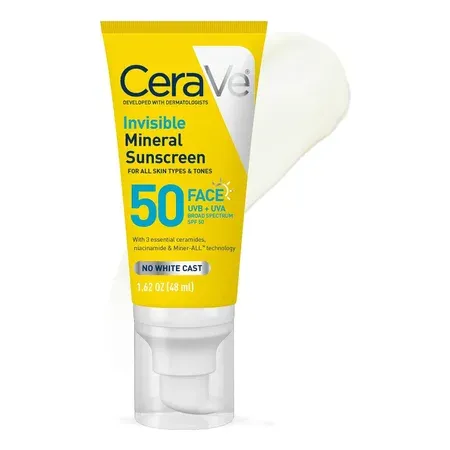
Best for face
CeraVe Invisible Mineral Sunscreen SPF 50
A $14 mineral face sunscreen with 15.3% zinc oxide and ceramides that goes on without a white cast.
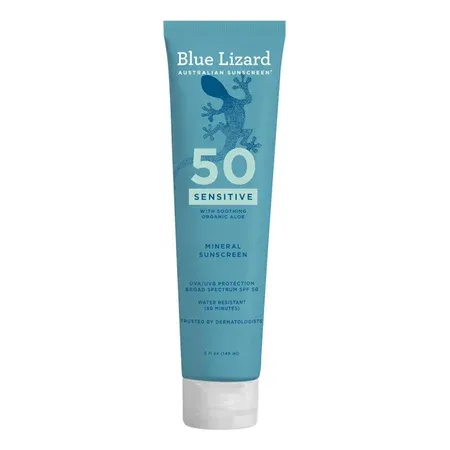
Best for body
Blue Lizard Sensitive Mineral Sunscreen SPF 50
A 5-ounce zinc oxide and titanium dioxide lotion for face and body, water resistant for 80 minutes.
See our guide to the best mineral sunscreens for sensitive skin for more picks.
Does Other Skincare Expire?
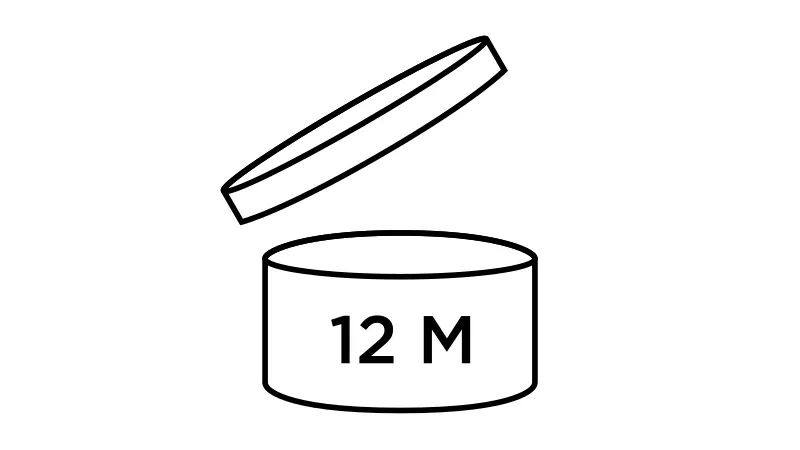
Yes, but the rules are different. In the US, cosmetics like moisturizers, cleansers and serums aren’t required to carry an expiration date, unless they’re also drugs like sunscreen, acne treatments or products with SPF. Many brands print a period-after-opening (PAO) symbol instead: an open jar with a number of months, such as “12M,” which means use it within 12 months of opening. It’s required in the European Union on products that last longer than 30 months, and it’s common on products sold in the US.
| Product | Typical life after opening | Signs it’s gone bad |
|---|---|---|
| Sheet masks | Single use; unopened packs usually last 2 to 3 years | Dried-out sheet, off smell. Don’t save an opened mask |
| Wash-off and clay masks | 6 to 12 months | Dried out, separated, smells off |
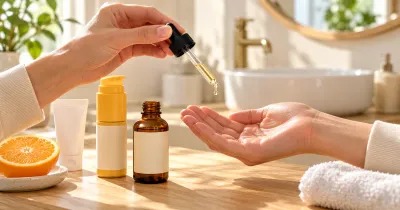
| Vitamin C serum | About 3 months | Turns dark yellow, orange or brown. See best vitamin C serums |
| Retinol and retinal | 6 to 12 months | Yellowing, smell change; keep it away from light and air |
| Benzoyl peroxide and adapalene (drugs) | Until the printed expiration date | Past date, color or texture change |
| Moisturizers and cleansers | 6 to 12 months (jars), 12 to 24 months (pumps and tubes) | Separation, smell change, mold |
| Petroleum jelly | Several years | Rarely spoils; replace if contaminated. See Vaseline vs. Aquaphor |
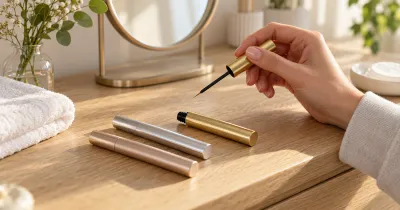
| Mascara and liquid eyeliner | About 3 months | Dry, clumpy, smells off; replace after an eye infection |
These are general guidelines; the PAO symbol or expiration date on your product takes priority. Jars expire faster than pumps and tubes because you dip fingers into them. Products with fewer preservatives, like “clean” or preservative-free formulas, can spoil sooner.
Common Questions
Can I use sunscreen a few months past its expiration date? It’s better than nothing in a pinch, but don’t rely on it for a long day outdoors. Its SPF may be lower than the label says, so reapply more often, cover up and replace it soon.
Does opening sunscreen shorten its life? Not officially; the expiration date applies whether or not it’s opened. In practice, sand, heat and bacteria from repeated use mean an opened bottle that’s been to the beach a few times won’t last as long as one in a closet.
Does sunscreen expire faster in the car? Yes. Heat is the biggest enemy of sunscreen, and a car’s interior can get far hotter than the air outside. Replace sunscreen that’s spent the summer in a glove box.
Do spray sunscreens expire? Yes, on the same three-year guideline. Check the bottom of the can.
For more on building a sun-safe routine, see our skin care routine for men, which applies to everyone, and our best mineral sunscreens.