Nvidia sells six RTX 50 laptop GPUs, from the RTX 5050 to the RTX 5090. The three lower chips (5050, 5060, 5070) all use a 128-bit bus with 384 GB/s of bandwidth and usually 8 GB of VRAM, so they’re closer together than their names suggest. The real step up is the RTX 5070 Ti (12 GB, 192-bit), then the RTX 5080 (16 GB, 256-bit). The RTX 5090 adds 24 GB but shares the 5080’s bus and power limit. Wattage varies so much between laptops that a well-cooled lower chip can beat a power-starved higher one.
Prices checked November 20, 2026, on Amazon.
RTX 50 Laptop GPU Specs
| Laptop GPU | CUDA cores | VRAM | Bus | Bandwidth | Power range (Nvidia) | Boost clock | AI TOPS |
|---|---|---|---|---|---|---|---|
| RTX 5050 | 2,560 | 8 GB GDDR7 | 128-bit | 384 GB/s | 35–100 W | 1,500–2,662 MHz | 440 |
| RTX 5060 | 3,328 | 8 GB GDDR7 | 128-bit | 384 GB/s | 45–100 W | 1,455–2,497 MHz | 572 |
| RTX 5070 | 4,608 | 8 or 12 GB GDDR7 | 128-bit | 384 GB/s | 50–100 W | 1,425–2,347 MHz | 798 |
| RTX 5070 Ti | 5,888 | 12 GB GDDR7 | 192-bit | 672 GB/s | 60–115 W | 1,447–2,220 MHz | 992 |
| RTX 5080 | 7,680 | 16 GB GDDR7 | 256-bit | 896 GB/s | 80–150 W | 1,500–2,287 MHz | 1,334 |
| RTX 5090 | 10,496 | 24 GB GDDR7 | 256-bit | 896 GB/s | 95–150 W | 1,597–2,160 MHz | 1,824 |
Nvidia’s power ranges exclude Dynamic Boost, which adds up to 25 W. Laptop makers quote the total (“175 W TGP”), which is why spec sheets show numbers above Nvidia’s range. All six support DLSS 4.5 (Super Resolution, Ray Reconstruction, Frame Generation, Multi Frame Generation and Dynamic Multi Frame Generation), 5th-generation Tensor cores, 4th-generation RT cores and PCIe Gen 5. The RTX 5090 has three 9th-gen NVENC video encoders, the RTX 5080 two, and the rest one. Reflex 2 Frame Warp is still listed as coming soon. As of November 20, 2026, Nvidia lists no RTX 50 “Super” laptop GPUs.
How Big Is Each Step?
Typical gaps in independent game testing at similar power. They vary by game, resolution and laptop.
| Step | Typical gain in games | What changes |
|---|---|---|
| RTX 5050 → 5060 | about 20% | 30% more cores; same memory |
| RTX 5060 → 5070 | about 10–15% | 38% more cores; same bus and bandwidth |
| RTX 5070 → 5070 Ti | about 15–20% | 12 GB guaranteed, 192-bit bus, 75% more bandwidth |
| RTX 5070 Ti → 5080 | about 15–20% | 16 GB, 256-bit bus, up to 175 W |
| RTX 5080 → 5090 | about 10–15% | 24 GB; same bus and power limit |
| RTX 4060 → 5060 | about 10% | GDDR7, 8% more cores, Multi Frame Generation |
Relative performance chart
Average scores from a large synthetic GPU benchmark database on November 20, 2026, indexed to the RTX 5050. Synthetic scores track game results closely for the lower chips and understate the gaming gap between the 5080 and 5090.
| Laptop GPU | G3D score | Index (RTX 5050 = 100) |
|---|---|---|
| RTX 5050 | 13,953 | 100 |
| RTX 5060 | 16,793 | 120 |
| RTX 4060 (previous generation) | 17,303 | 124 |
| RTX 5070 | 19,188 | 138 |
| RTX 5070 Ti | 22,570 | 162 |
| RTX 5080 | 26,373 | 189 |
| RTX 5090 | 28,417 | 204 |
| Desktop RTX 5070, for comparison | 28,682 | 206 |
The RTX 4060’s synthetic score sits above the RTX 5060’s even though the 5060 runs about 10 percent more frames in game testing, which is why game results matter more than one synthetic number. The laptop RTX 5090 lands level with a desktop RTX 5070.
The two best-value steps are 5050 → 5060 (small price difference) and 5070 → 5070 Ti (memory). The weakest is 5080 → 5090 for gaming.
Detailed comparisons: 5050 vs. 5060, 5060 vs. 5070, 5070 vs. 5070 Ti, 5070 Ti vs. 5080, 5080 vs. 5090 and RTX 4060 vs. 5060.
What Each GPU Is Good For
| GPU | Best fit |
|---|---|
| RTX 5050 | Esports and older games at 1080p; new games at low to medium with DLSS |
| RTX 5060 | Most games at 1080p/1200p high; 2560x1600 with DLSS |
| RTX 5070 | Same class as the 5060; worth it in the 12 GB version |
| RTX 5070 Ti | 2560x1600 high settings; the longevity pick |
| RTX 5080 | 2560x1600 and 4K at high settings, ray tracing, 16 GB for creative work |
| RTX 5090 | AI, rendering and video work that needs 24 GB; little extra for gaming |
Wattage by Laptop
Maker figures including Dynamic Boost.
| Laptop (2026 unless noted) | 5050 | 5060 | 5070 | 5070 Ti | 5080 | 5090 |
|---|---|---|---|---|---|---|
| ASUS TUF Gaming 16 | 85 W | 85 W | 85 W | — | — | — |
| ASUS TUF Gaming F16 | — | 115 W | 115 W | — | — | — |
| ASUS ROG Zephyrus G14 GU405 | — | 115 W | 115 W | 130 W | 130 W | — |
| ASUS ROG Zephyrus G16 GU606 | — | 115 W | 115 W | 140 W | 160 W | 160 W |
| ASUS ROG Strix G16 | — | 115 W | 115 W | — | 175 W | — |
| ASUS ROG Strix G18 | — | offered | 115 W | 140 W | 175 W | — |
| ASUS ROG Strix Scar 18 | — | — | — | — | 175 W | 175 W |
| Lenovo Legion 5 15AGP11 (15.3-inch, AMD) | 115 W | 115 W | 115 W (12 GB) | — | — | — |
| Lenovo Legion Pro 5 16AFR10 (AMD) | — | 115 W | 115 W (8 or 12 GB) | — | — | — |
| Lenovo Legion Pro 5i Gen 10 | — | — | offered | 140 W | — | — |
| Lenovo Legion Pro 7i Gen 10 | — | — | — | 140 W | 175 W | 175 W |
| Razer Blade 14 | — | — | 115 W | — | — | — |
| Razer Blade 16 | — | — | — | offered | 165 W | 165 W |
| HP OMEN Transcend 14 / OMEN 16 Slim | — | — | up to 60 W | — | — | — |
| Framework Laptop 16 module | — | — | 100 W (50 W on battery) | — | — | — |
Cheapest Laptop With Each GPU (Sold by Amazon)
| GPU | Laptop | Price on Nov 20, 2026 |
|---|---|---|
| RTX 5050 | Alienware 16 Aurora (Core 7 240H) | $1,197.99 |
| RTX 5060 | ASUS ROG Strix G16 (2025, Core i7-14650HX) | $1,179.99 |
| RTX 5070 | Gigabyte AERO X16 (Ryzen AI 7 350) | $1,681.99 |
| RTX 5070 Ti | MSI Stealth 16 AI+ (Core Ultra 9 386H, OLED) | $2,634.15 |
| RTX 5080 | MSI Stealth A18 AI+ (Ryzen AI 9 365) | $2,899.00 |
| RTX 5090 | ASUS ROG Strix Scar 16 (2025, Core Ultra 9 275HX) | $4,149.99 |
The RTX 5060 Strix G16 undercut the cheapest RTX 5050 laptop on November 20, a sign of how much Black Friday pricing moves this chart. Prices change daily.
RTX 40 Laptop GPUs for Reference
| Laptop GPU | CUDA cores | VRAM | Bus | Power range (Nvidia) | AI TOPS |
|---|---|---|---|---|---|
| RTX 4090 | 9,728 | 16 GB GDDR6 | 256-bit | 80–150 W | 686 |
| RTX 4080 | 7,424 | 12 GB GDDR6 | 192-bit | 60–150 W | 542 |
| RTX 4070 | 4,608 | 8 GB GDDR6 | 128-bit | 35–115 W | 321 |
| RTX 4060 | 3,072 | 8 GB GDDR6 | 128-bit | 35–115 W | 233 |
| RTX 4050 | 2,560 | 6 GB GDDR6 | 96-bit | 35–115 W | 194 |
RTX 40 laptop GPUs support DLSS 3.5 with Frame Generation but not Multi Frame Generation.
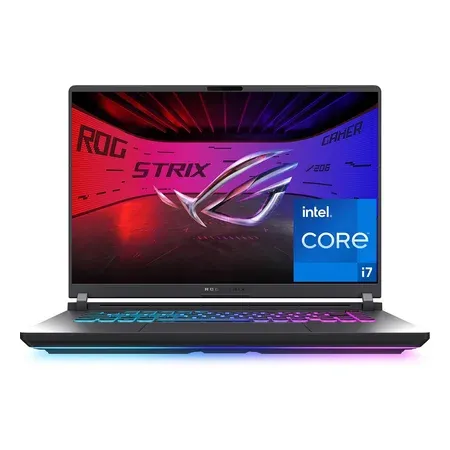
Best value RTX 50 laptop
ASUS ROG Strix G16 (2025, RTX 5060)
RTX 5060, Core i7-14650HX, 16 GB DDR5, 16-inch FHD+ 165 Hz. $1,179.99 on Nov 20, sold by Amazon.
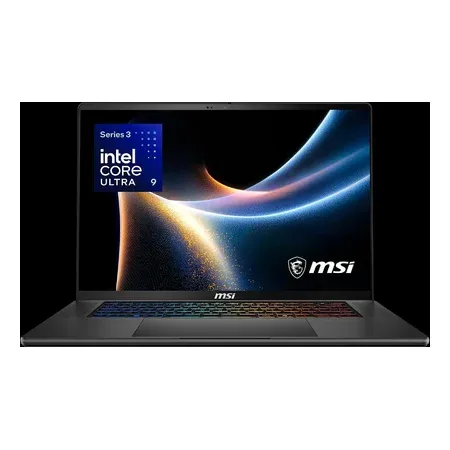
Cheapest RTX 5070 ti sold by amazon
MSI Stealth 16 AI+ (RTX 5070 Ti)
RTX 5070 Ti, Core Ultra 9 386H, 16-inch 240 Hz OLED, 32 GB, 1 TB. $2,634.15 on Nov 20.
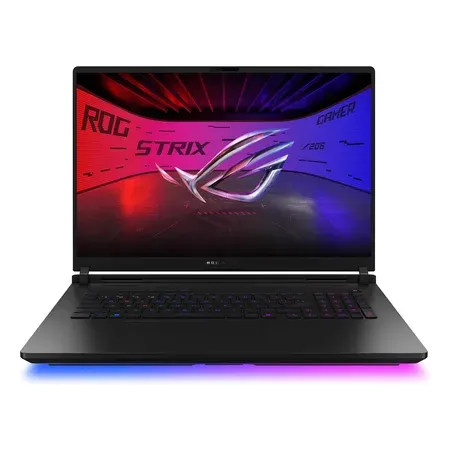
175 W RTX 5080
ASUS ROG Strix Scar 18 (2026, RTX 5080)
RTX 5080 at 175 W, Core Ultra 9 290HX Plus, 18-inch 4K 240 Hz mini-LED. $4,199.99 on Nov 20, sold by Amazon.
RTX 50 Laptop GPU FAQ
What is the best RTX 50 laptop GPU for the money?
The RTX 5060 for budget laptops and the RTX 5070 Ti above $2,000. The RTX 5070 Ti is the cheapest chip with 12 GB on a 192-bit bus.
Which RTX 50 laptop GPU is the best value?
The steps with the best return are RTX 5050 to 5060 (about 20 percent more frames for a small price gap) and RTX 5070 to 5070 Ti (12 GB on a 192-bit bus). The weakest for gaming is RTX 5080 to 5090, about 10 to 15 percent for $700 or more.
Which RTX 50 laptop GPUs have more than 8 GB of VRAM?
The RTX 5070 Ti (12 GB), RTX 5080 (16 GB) and RTX 5090 (24 GB), plus 12 GB versions of the RTX 5070. The RTX 5050 and 5060 have 8 GB.
What is the maximum TGP of RTX 50 laptop GPUs?
175 W including Dynamic Boost, in large laptops like the ROG Strix Scar 18, Strix G16 and G18, Legion Pro 7i and Razer Blade 18. Nvidia’s own ranges top out at 150 W before boost.
Are RTX 50 laptop GPUs the same as desktop RTX 50 cards?
No. Each laptop chip has fewer cores and far less power than the desktop card with the same name. See laptop vs. desktop RTX 5070.
Sources
- Nvidia GeForce RTX 50 Series laptop GPU comparison
- Nvidia GeForce RTX 50 Series laptops
- Nvidia GeForce RTX 40 Series laptops
- Lenovo PSREF: Legion 5 15AGP11 spec sheet (PDF)
- Lenovo PSREF: Legion Pro 5 16AFR10 spec sheet (PDF)
- ASUS ROG laptop spec pages
- ASUS TUF Gaming 16 (2026) specs
- Lenovo Legion Pro 7i Gen 10 PSREF (PDF)
- Razer Blade 14, Blade 16 and Blade 18
- Framework: Laptop 16 with Nvidia graphics