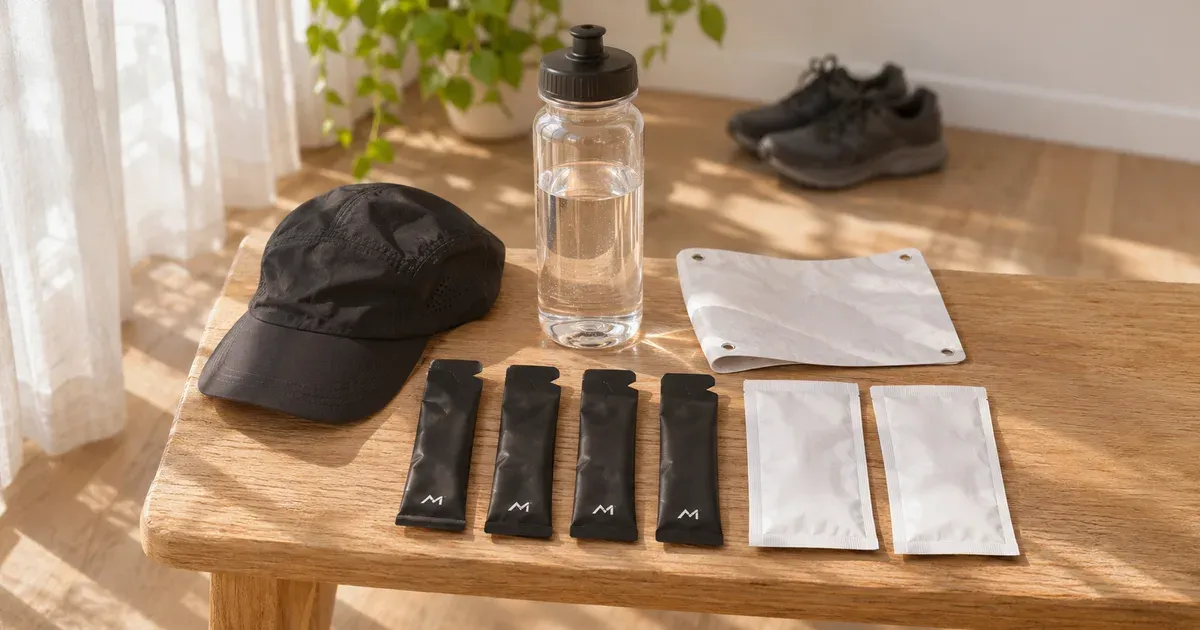
Maurten is worth it for marathon fueling if it sits well in your stomach and you don’t mind paying more for that. It is not worth it if you expect the hydrogel to make you faster. Research reviews find no consistent performance advantage for hydrogel carbs over ordinary carbs taken at the same rate. What matters most is getting enough carbohydrate in, about 60 grams per hour or more for most marathoners, and practicing it in training.
Price is the main trade-off. Maurten Gel 100 costs about $3.75 per gel, or 15 cents per gram of carbs, against about 9 cents per gram for GU or SiS. Over one marathon that adds up to roughly $10 to $15. Over a full training block of long runs, it adds up to a lot more.
I use Maurten myself, Gel 100 on long runs and hard workouts and Drink Mix 160 on long runs, and I’d buy both again. But I can’t credit the hydrogel for that, and neither can the research.
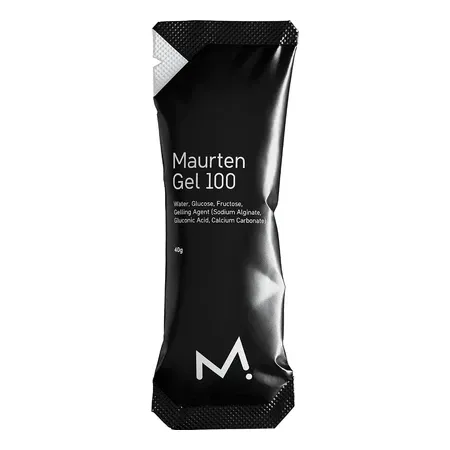
Mild hydrogel gel for long runs and races
Maurten Gel 100
A 25g carb hydrogel with a neutral taste that has been easy on my stomach.
Is Maurten Worth It? The Short Answer
- Pay for it if cheaper, sweeter gels have upset your stomach, you dislike strong flavors, or you want a gel you can keep taking at 60 to 90 grams per hour.
- Skip it if a cheaper gel already works for you. The carbs do the work, not the packaging.
My Experience With Maurten
I take one Gel 100 about every 45 minutes on long runs. That’s about 33 grams of carbs per hour, a modest rate that has worked for me in training. I also use it during hard workouts, which is when a gel is most likely to cause trouble, and it has been easy on my stomach.
The taste is neutral, without the strong sweetness of many gels. It has a jelly-like texture rather than a syrupy one. On long runs I also drink some of my carbs with Drink Mix 160, which has a mild taste I like.
I have no complaints about either product. My point is narrower than Maurten’s marketing: they work well for me, and a cheaper gel might work just as well for you.
How Much Does Maurten Cost per Gram of Carbs?
Price per gram of carbohydrate is the fairest way to compare fuel, because gels range from 22g to 40g of carbs. These are list prices on each maker’s US site.
| Product | Box price | Carbs per serving | Price per serving | Price per gram of carbs |
|---|---|---|---|---|
| Maurten Gel 100 | $45 for 12 | 25g | $3.75 | 15¢ |
| Maurten Gel 100 Caf 100 | $52 for 12 | 25g | $4.33 | 17¢ |
| Maurten Gel 160 | $55 for 12 | 40g | $4.58 | 11.5¢ |
| Maurten Drink Mix 160 | $45 for 18 | 40g | $2.50 | 6.3¢ |
| Maurten Drink Mix 320 | $51 for 14 | 80g | $3.64 | 4.6¢ |
| GU Original Energy Gel | $48 for 24 | 22g | $2.00 | 9.1¢ |
| SiS Beta Fuel Gel | $21.99 for 6 | 40g | $3.67 | 9.2¢ |
| Precision Fuel PF 30 Gel | $45.99 for 15 | 30g | $3.07 | 10.2¢ |
| Tailwind Endurance Fuel | $30.99 for 30 servings | 25g | $1.03 | 4.1¢ |
| Skratch Super High-Carb | $41.95 for 3,200 calories | 50g | About $2.62 | 5.2¢ |
A few things stand out:
- Gel 100 and Gel 100 Caf 100 are the most expensive ways to buy carbs here. Gel 100 costs about 65% more per gram than GU.
- Gel 160 is Maurten’s best-value gel. At 11.5 cents per gram, it’s only a little more than GU or SiS.
- Maurten’s drink mixes are priced like other carb drinks. Drink Mix 320 at 4.6 cents per gram is close to Tailwind and cheaper than Skratch. Drink Mix 160 costs a bit more.
- On Amazon, a 12-box of Gel 100 has sold for about $48, slightly more than Maurten’s own price.
What it means for one race: about 200 grams of carbs over a 3:30 marathon costs about $30 in Gel 100 (8 gels), $23 in Gel 160 (5 gels), and $18 in GU (9 gels). The gap per race is small. The gap across 16 weeks of fueled long runs is not: every 100 grams of carbs costs $15 in Gel 100 and about $9 in GU.
What Is Maurten’s Hydrogel?
Maurten adds sodium alginate (from seaweed) and pectin (from fruit) to its glucose and fructose. Maurten says this forms a hydrogel that carries the carbs through the stomach to the intestine, where they’re absorbed, and that this reduces the risk of stomach problems. It also says you don’t have to wash the gels down with water, though it notes you still need to rehydrate.
The Gel 100 is already a gel when you squeeze it out. The drink mixes are designed to form the gel in your stomach, which is why Maurten asks for low-calcium water.
The carb blend itself isn’t unique. Gel 100 uses a 0.8:1 fructose-to-glucose ratio. Mixing glucose and fructose lets your gut absorb more carbs per hour than glucose alone, but GU and SiS also combine maltodextrin with fructose. The hydrogel is the only part Maurten can claim as its own.
Does Maurten’s Hydrogel Work? What the Research Says
No systematic review supports the claim that hydrogel carbs improve performance or reliably reduce stomach problems compared with the same amount of regular carbs. Some single trials found benefits, and others found none.
The reviews
- A 2022 systematic review and meta-analysis of sodium alginate carb drinks reviewed 10 studies and pooled 7. It found no difference in performance (5 studies, p = 0.59), carb use or blood sugar versus matched carb drinks. Results were consistent across studies and risk of bias was generally low. The authors noted that several studies weren’t intense enough to cause stomach problems, so they couldn’t fully test the claim.
- A 2020 review of the randomized trials found no clear performance gain, similar rates of carb use, and no difference in stomach distress with hydrogels.
- A 2025 systematic review of 29 studies on nutrition strategies for stomach symptoms in endurance exercise concluded that hydrogel products show no benefits over standard carb products at present. It found better support for gut training and for hitting recommended carb intakes.
- A 2026 systematic review of nine trials was the most favorable. It found better carb use at high intake rates, stomach tolerance similar to regular carbs with fewer symptoms at high intakes, and inconsistent performance effects, mostly minor gains in running. It did not pool the results.
The trials runners cite
- The most positive running study, a 2022 trial of 11 trained male runners, had them run 2 hours while taking 90 grams of carbs per hour, then race 5 km. The 5K was 2.1% faster with hydrogel than with a regular carb drink (19:29 vs. 19:54), and stomach symptoms were lower. Both carb drinks beat a placebo by much more: 7.6% and 5.6% faster.
- A 2020 trial of nine trained runners taking 90 grams per hour found that adding pectin and alginate did not increase carb use beyond regular maltodextrin and fructose.
- A 2026 randomized study of 81 amateur marathoners taking 60 grams of carbs per hour in a real marathon found no notable difference in finish times between alginate and traditional gels. The alginate groups had steadier blood sugar in some segments and more even pacing.
Evidence quality: low to moderate. The trials are small, mostly 9 to 11 athletes, and short. Only one used a real marathon. The hint of a benefit shows up mainly at high carb rates (90 grams per hour), which is more than most recreational marathoners take.
The big gap between “any carbs” and “no carbs” in the 2022 running trial is the more useful takeaway. Carbs matter much more than their form.
How Many Carbs per Hour Do Marathon Runners Need?
Most marathoners should aim for about 60 grams of carbs per hour, and faster or well-practiced runners can go higher:
- The joint position statement from the American College of Sports Medicine, the Academy of Nutrition and Dietetics and Dietitians of Canada recommends 30 to 60 grams per hour for efforts of 1 to 2.5 hours and up to 90 grams per hour for efforts over 2.5 to 3 hours.
- A 2014 review recommends about 60 grams per hour for 2 to 3 hours of exercise and about 90 grams per hour for longer events. Above 60 grams, the carbs need to come from multiple sources, like glucose and fructose. It also notes intake can be lower at low exercise intensity.
- A 2024 meta-analysis of 136 studies found that carbs during exercise improve endurance performance, with bigger effects in longer events and less-trained athletes. The type of carbohydrate made no difference.
Maurten’s own marathon fuel guide aims for 175 to 200 grams in total, which works out to about 50 to 57 grams per hour for a 3:30 finish and 70 to 80 grams per hour for sub-2:30. If you’re not sure of your finish time, our marathon pace chart can help.
For comparison, my own long-run rate of about 33 grams per hour is well below those race-day targets.
Gut Training Matters More Than the Gel
If stomach trouble is your reason to consider Maurten, practice comes first. In a 2017 trial of 18 endurance runners, two weeks of daily 1-hour runs while taking 90 grams of carbs per hour reduced gut discomfort, overall stomach symptoms and nausea in a later test run of 2 hours steady plus a 1-hour effort. Runners also covered more distance in the effort. A placebo group saw no such change.
A 2023 systematic review of eight gut-training studies found that two weeks of repeated carb feeding cut gut discomfort by an average of 47% and reduced carb malabsorption by 45% to 54%, although only a few studies measured each outcome. Evidence is limited but consistent.
So use your long runs to practice your race-day rate, with the exact gels you’ll race with.
A Marathon Fueling Plan With Maurten
Here is an example for a runner targeting 3:30, aiming for about 57 grams of carbs per hour during the race. Adjust the timing to your own pace and test it on long runs first.
| When | What | Carbs |
|---|---|---|
| 3 to 4 hours before | Carb-rich breakfast | 1 to 4g per kg of body weight |
| 1 to 4 hours before | Optional: Drink Mix 160, sipped | 40g |
| 15 minutes before the start | 1 Gel 100 | 25g |
| Every 25 minutes during the race | 1 Gel 100 (8 total, at 25, 50, 75, 100, 125, 150, 175 and 200 minutes) | 200g |
| Second half (optional) | Swap 2 of those gels for Gel 100 Caf 100 | Same carbs, plus 200mg caffeine |
The pre-race guidance comes from the same joint position statement, which recommends 1 to 4 grams of carbs per kilogram of body weight in the 1 to 4 hours before exercise. Maurten’s guide also suggests a Drink Mix 160 in that window.
Caffeine: two Caf 100 gels give 200mg, about 3 mg per kg for a 150-pound runner. The International Society of Sports Nutrition says caffeine has consistently improved performance at 3 to 6 mg per kg, with endurance showing the most consistent benefits. Try it in training first, and check your total with our caffeine calculator.
Fluids and sodium: Gel 100 has only 20mg of sodium, so drink at aid stations and get sodium from the course sports drink or an electrolyte product. Drink Mix 160 has 210mg per sachet, but you’d have to carry it.
Fewer gels: swap the Gel 100s for 5 Gel 160s, one about every 40 minutes. You get the same 200 grams for about $23 instead of $30, with fewer packets to carry. Pockets help either way; my Bandit Superbeam half tights hold my phone and gels without bounce.
Budget version: the same plan works with any gel that combines glucose and fructose. Nine GU Original gels supply about 200 grams for about $18.
Who Should Pay for Maurten?
Maurten is worth it if:
- Sweeter, syrupy gels have upset your stomach and you’ve already tried gut training
- You dislike strongly sweet or flavored gels
- You’re aiming for 70 to 90 grams per hour, the range where the hydrogel research is most favorable
- The extra $10 to $15 per race is not a concern
Skip it if:
- A cheaper gel already works for you in training and racing
- You fuel lightly and have never had stomach trouble with regular gels
- You’re buying for a whole training block on a budget. Use cheaper fuel for training and save Maurten for race-specific long runs, or use Gel 160 or the drink mixes, which cost much less per gram than Gel 100
- You want your gels to supply much of your sodium
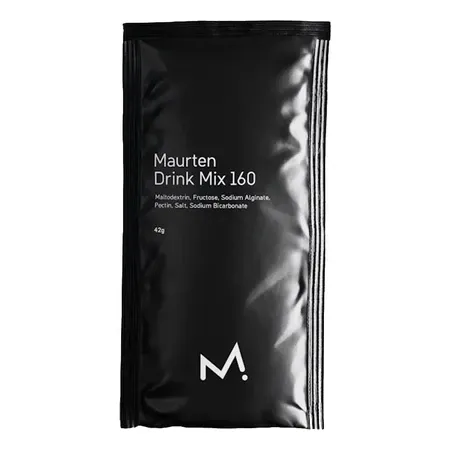
Mild carb drink for long runs
Maurten Drink Mix 160
A mild-tasting hydrogel drink with about 40g of carbs per sachet for long runs.
Is Maurten Worth It? FAQ
Is Maurten worth the money?
It is if it sits better in your stomach than cheaper gels. Gel 100 costs about 15 cents per gram of carbs, versus about 9 cents for GU, and research hasn’t found a consistent performance benefit from the hydrogel.
Is Maurten better than GU?
Not for performance, based on the research so far. Maurten has a milder taste and a jelly-like texture, while GU is cheaper per gram. Pick the one your stomach handles better at your race-day rate.
How many Maurten gels do I need for a marathon?
Maurten’s marathon guide suggests one gel before the start and then one about every 6 km, for five Gel 160s to seven Gel 100s in total. At about 60 grams of carbs per hour, a 3:30 marathon takes about eight Gel 100s or five Gel 160s.
Does Maurten’s hydrogel actually work?
Reviews find no consistent performance or stomach-comfort advantage over regular carbs at the same intake. One small running trial at 90 grams per hour found a 2.1% faster 5K and fewer stomach symptoms, but other trials found no difference.
How many carbs per hour should I take in a marathon?
About 60 grams per hour suits most marathoners, and up to 90 grams for faster runners who’ve trained their gut. Guidelines recommend 30 to 60 grams per hour for 1 to 2.5 hours and up to 90 grams for longer efforts.
Do you need water with Maurten gels?
Maurten says you don’t need water to wash down its gels, but you still need fluids during a marathon. Drink at aid stations.
Should I use Gel 100 or Gel 160 for a marathon?
Gel 160 costs less per gram and means fewer packets. Gel 100 lets you take smaller, more frequent doses, which some runners find easier on the stomach. I use Gel 100.
Does Maurten have caffeine?
Gel 100 Caf 100 has 100mg of caffeine and the same 25 grams of carbs as Gel 100. Regular Gel 100 has no caffeine.