A good pair of noise-cancelling headphones can make a flight, train ride, or noisy workday feel noticeably easier. By reducing the low hum of engines, traffic, HVAC systems, and office chatter, they give you more room to enjoy music or podcasts, take calls, or simply sit in relative quiet. They are especially useful for frequent travelers and commuters, but they can be just as valuable at home when you need to focus.
The best noise-cancelling headphones should do more than block sound. They should be comfortable enough to wear for hours, sound good with a wide range of music, have controls that are easy to use, and offer enough battery life to get through a long day or a cross-country flight. We looked for headphones that balance all of those qualities, with options for different budgets and listening preferences.
Best overall
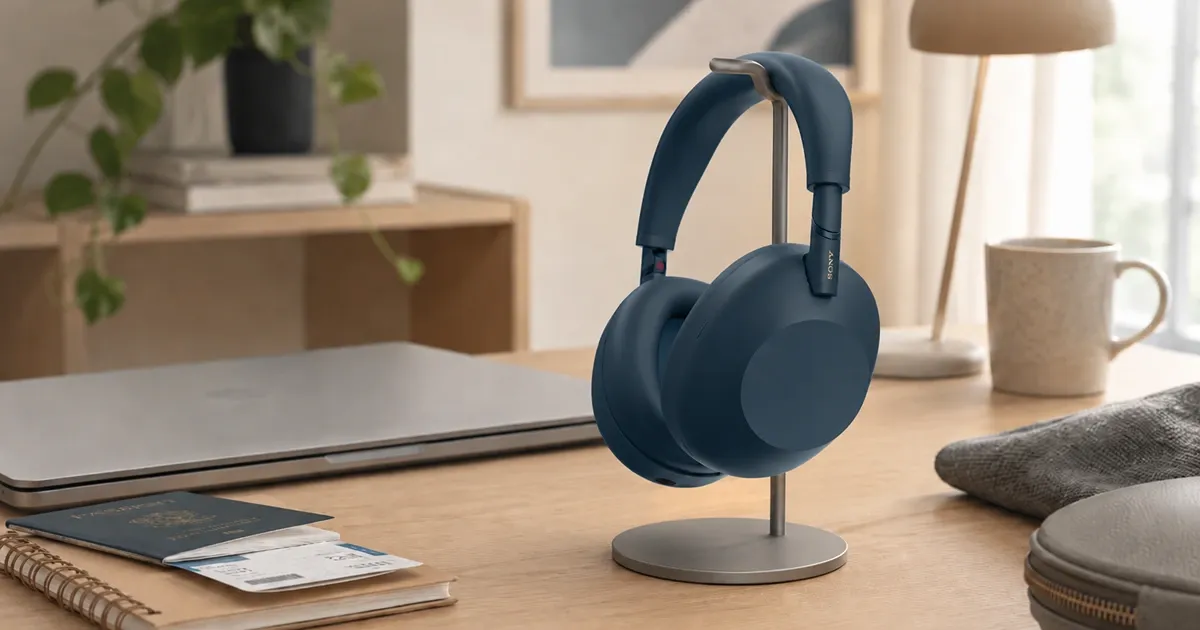
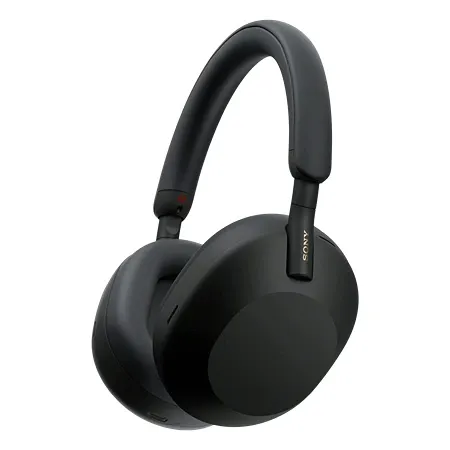
Sony WH-1000XM6
Industry-leading noise cancellation, superb sound quality, and exceptional comfort for travel or focused work.
The Sony WH-1000XM6 feels like the kind of noise-cancelling headphone I hope for when I’m packing for a flight or trying to focus somewhere noisy: quiet, comfortable, great-sounding, and easy to live with. It does an excellent job of taking the edge off airplane rumble, train noise, office chatter, and other everyday distractions, while the earcups also block higher-pitched sounds surprisingly well. The result is a calmer, more private listening bubble without making the headphones feel bulky or overbuilt.
Sound quality is one of the XM6’s biggest strengths. Music comes through clear and polished right away, with crisp highs that do not feel sharp and bass that sounds full without getting muddy. I’d expect most people to be happy with the tuning right out of the box, but Sony’s app gives you room to tweak the EQ or choose from presets if you prefer a different balance.
They are also very comfortable for long stretches. I like that the headband has enough padding to avoid pressure on the top of your head, while the soft earcups feel forgiving, even with glasses. The whole design is light enough that it does not become annoying quickly, and the headphones fold into a compact hard-sided fabric case that is easy to pack. The magnetic closure is a nice touch compared with fussier zippered cases. The controls are mostly intuitive, with a mix of physical buttons and touch gestures, and I found the quick-awareness features genuinely useful when you need to hear an announcement or answer a question without fully taking the headphones off.
Calls sound clear in normal indoor settings, and the microphones do a good job of reducing background noise from things like chatter, running water, or a coffee grinder. In wind or very loud outdoor environments, voices can sound more processed or briefly cut in and out, but callers should still be able to understand you. Battery life is solid at about 30 hours, and I especially like the quick-charge feature, which gives you roughly three hours of playback from just a few minutes plugged in. The main downsides are that you cannot adjust the strength of the noise cancellation, the Sony app still feels busier than it needs to be, and there is no Auracast support.
Best Runner-Up
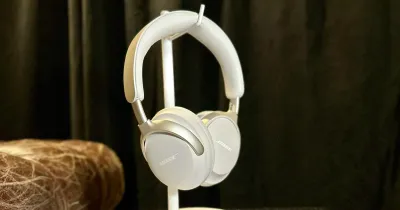
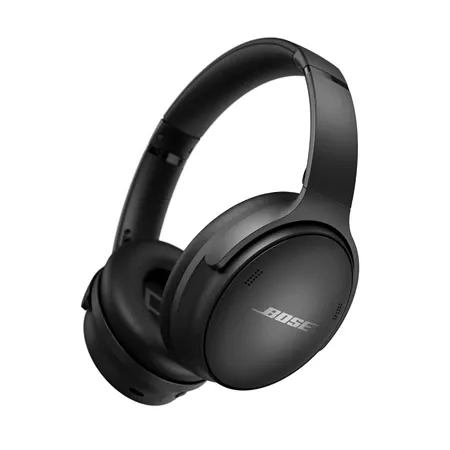
Bose QuietComfort Headphones
Top-tier noise cancellation, a rich sound profile with deep bass, and plush comfort for all-day listening.
The Bose QuietComfort Headphones are the pair I’d point someone toward if they care less about having every flagship feature and more about getting a calm, comfortable, easy-to-use set of travel headphones. They do not feel as ambitious as the Sony WH-1000XM6, but that is part of the appeal: the Bose formula is simple, lightweight, foldable, and focused on making noisy places easier to tolerate.
Noise cancellation is the main reason to buy them. The QuietComfort Headphones are very good at cutting the steady low-end rumble of planes, buses, trains, traffic, and HVAC systems, and they also take a meaningful bite out of voices and office noise. The Sony still has the edge as the more complete premium package, and Bose’s own QuietComfort Ultra line can get you a little closer to the top of the ANC mountain, but the standard QuietComfort model gets close enough that it feels like the smarter value when it is on sale.
They are also among the easiest headphones here to wear for hours. The earcups are soft, the clamp is forgiving, and the whole frame feels light in a way that matters on long flights or full workdays. I also like that Bose kept the folding design and included a real travel case, since that makes these easier to pack than many newer over-ear headphones. The physical buttons are another practical win: volume, playback, calls, power, Bluetooth pairing, and ANC mode switching are all handled without relying on fussy touch gestures.
The sound is warm and bass-forward, which makes pop, hip-hop, electronic music, podcasts, and casual listening feel full without needing much adjustment. It is not the most detailed or neutral presentation, and listeners who want hi-res Bluetooth support should look elsewhere, since these stick to the basic SBC and AAC codecs. The Bose Music app helps a bit with a simple three-band EQ, adjustable listening modes, multipoint pairing, and shortcuts, but it does not offer the same depth of customization you get from Sony.
Battery life is good enough, not exceptional. Bose rates them for up to 24 hours, and real-world use can stretch a little beyond that, but several competitors now last much longer. Call quality is similarly fine for everyday use, though background noise can make voices sound thinner or less consistent. Those trade-offs keep the QuietComfort Headphones in runner-up territory, but for shoppers who want excellent ANC, plush comfort, compact storage, and straightforward controls, they remain one of the most sensible Bose buys.
Best budget
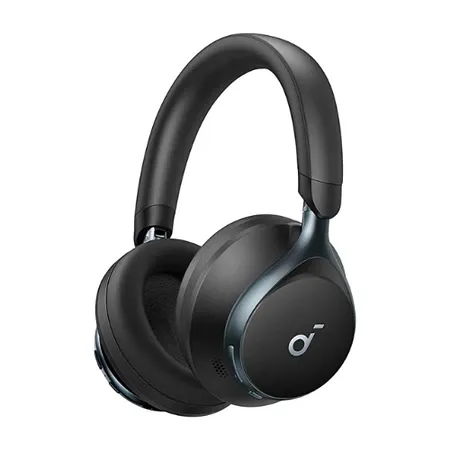
Soundcore Space One
The Soundcore Space One headphones deliver impressive noise cancellation, solid sound quality, and comfortable design at a budget-friendly price.
For around $100, the Soundcore Space One delivers much more than basic budget-headphone performance. It combines strong noise cancellation, a comfortable fit, enjoyable sound, and a deep set of features that make it feel more premium than its price suggests. Soundcore has released a newer Space 2 model, but the original Space One still stands out as the better value for most people.
The Space One does an impressive job quieting everyday distractions, and it can compete with headphones that cost much more. I also like that the ANC is adjustable, so you can dial the intensity up or down, or switch on adaptive noise cancellation and let the headphones respond to your surroundings. If you want to plug into in-flight entertainment, the included cable still lets you use noise cancellation, which is a thoughtful travel-friendly touch.
The hear-through features are also better than expected for the price. Holding a finger on the left earcup activates an “easy chat” mode that brings in outside sound with extra focus on voices, so quick conversations feel more natural. There is also an optional speak-to-enable hear-through mode, which can be useful when your hands are full. The Space One also includes optional volume limiting, a feature I’m always happy to see because it helps keep listening levels in a safer range.
They’re also suprisingly comfortable for the price. The Space One has large, roomy earcups with plush memory foam, and the padding is soft enough to form a decent seal even around thin glasses arms. The mostly plastic build keeps the headphones lightweight, but they still feel sturdy and look nicer than the price would suggest. Battery life is excellent, too, with up to 40 hours of playback with ANC on, and a five-minute charge gives you about four hours of listening time.
The main trade-offs are in sound refinement, controls, and call quality. The sound is pleasant and adjustable through the Soundcore app, but it can be a little coarse, with some blurriness in lower vocals, occasional harshness up top, and bass that can feel slightly bloated even after EQ adjustments. The physical buttons are logically arranged but small, so they may take practice to use by feel. Calls are usable, and the microphones reduce a fair amount of traffic noise or cafe clatter, but voices can sound thin and distant, and stronger wind may cause your voice to duck in and out.
A good pair of noise-cancelling headphones can make daily life feel a little easier, whether you’re trying to focus at a desk, get through a long flight, or make a noisy commute more bearable. The best models do more than simply reduce background sound; they should feel comfortable for long stretches, sound good enough that you actually want to keep listening, and offer controls and features that do not get in your way.
Before buying, think about where you’ll use them most. Frequent travelers may want the strongest possible noise reduction and a compact case, while office users might care more about call quality, comfort, and a natural hear-through mode. No pair is perfect for everyone, but choosing based on your routine will help you end up with headphones that feel useful every day, not just impressive on paper.