The “CeraVe lawsuit” people keep seeing on social media is about benzene in benzoyl peroxide acne washes. It isn’t about CeraVe’s moisturizers or its regular face washes. A group of consumer class actions claimed two CeraVe acne cleansers could contain or break down into benzene, a chemical linked to cancer. In September 2026, a federal judge in New York dismissed the combined case with prejudice, meaning it can’t be refiled in that court. The plaintiffs have asked the judge to reconsider.
The ruling didn’t settle whether the products contain harmful benzene. The judge decided the claims were blocked by federal drug law. The science is summarized below.
The short answer: only CeraVe’s two benzoyl peroxide (BPO) products were in the case. The CeraVe Hydrating and Foaming Facial Cleansers, Daily Moisturizing Lotion and Moisturizing Cream contain no benzoyl peroxide and were never part of it. No CeraVe product has been recalled.
Which CeraVe Products Were in the Lawsuit
The consolidated case, In re L’Oréal USA Benzoyl Peroxide Products Litigation in the Southern District of New York, covered three L’Oréal products:
| Product | Benzoyl peroxide | In the lawsuit | Recalled |
|---|---|---|---|
| CeraVe Acne Foaming Cream Cleanser | 4% | Yes | No |
| CeraVe Acne Foaming Cream Wash | 10% | Yes | No |
| La Roche-Posay Effaclar Duo Dual Acne Treatment | 5.5% | Yes | One lot (MYX46W), at the retail level, in March 2025 |
| CeraVe Acne Control Cleanser and Acne Control Gel | None (2% salicylic acid) | No | No |
| CeraVe Hydrating Facial Cleanser, Foaming Facial Cleanser | None | No | No |
| CeraVe Daily Moisturizing Lotion, Moisturizing Cream | None | No | No |
L’Oréal owns both CeraVe and La Roche-Posay. Those two CeraVe acne washes are the only CeraVe products whose ingredient lists include benzoyl peroxide.
Where the Benzene Claim Came From
In March 2024, Valisure, an independent testing lab, filed a citizen petition asking the FDA to recall benzoyl peroxide acne products. Its findings:
- Its first screen found benzene in 94 of 99 benzoyl peroxide products. Salicylic acid and adapalene products stayed below 2 parts per million (ppm).
- In a heat test, it stored 66 products at 122°F (50°C) for 18 days. Seventeen rose above 100 ppm of benzene, and two went past 1,500 ppm.
- Valisure called the problem “degradation, not contamination.” Benzoyl peroxide itself can break down into benzene, especially when it’s warm, so the benzene isn’t an impurity that a cleaner factory could avoid.
The CeraVe 4% cleanser was among the products Valisure tested. It sat near the low end of the heat-test results, far below the worst products, though it still rose past the 2 ppm guideline under heat. In October 2024, Valisure published a follow-up in the Journal of Investigative Dermatology. That study found 38 of 111 over-the-counter BPO products above 2 ppm at room temperature, with a high of 35.3 ppm.
Within weeks of the March 2024 petition, the class actions started. The first CeraVe complaints were filed in March and April 2024.
What the FDA Found
The FDA ran its own tests and published the results on March 11, 2025. Of 95 benzoyl peroxide acne products, more than 90% had “undetectable or extremely low” benzene. Six had elevated levels and were recalled at the retail level, meaning stores pulled them, but buyers weren’t told to throw out what they had:
- La Roche-Posay Effaclar Duo (one lot)
- Walgreens Acne Control Cleanser
- Proactiv Emergency Blemish Relief Cream
- Proactiv Skin Smoothing Exfoliator
- SLMD Benzoyl Peroxide Acne Lotion
- Walgreens Tinted Acne Treatment Cream
Zapzyt Acne Treatment Gel was also recalled after its maker’s own testing. No CeraVe product was on the list.
The FDA said the cancer risk from these products is “very low,” even with daily use for decades. It also said some third-party test methods may overstate benzene levels. Its advice was to throw out expired products and follow the storage directions on the label. The agency hasn’t published the names of all 95 products it tested.
What the Court Decided
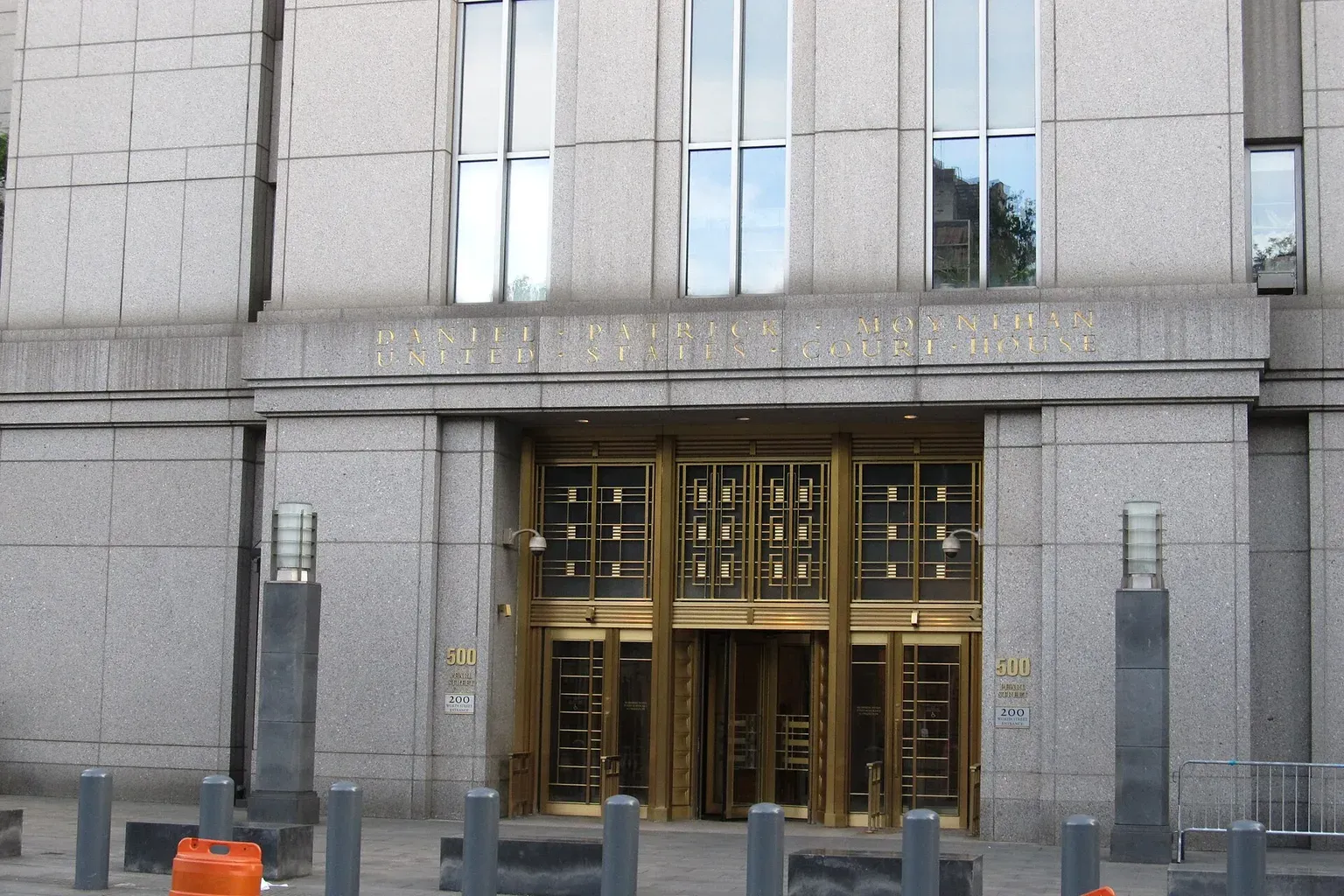
The CeraVe cases were filed in several federal courts. In 2024 and again in 2025, the panel that decides whether to merge cases across the country declined to combine them into one multidistrict litigation. In May 2025, the L’Oréal cases were consolidated in Manhattan before Judge Analisa Torres, with 11 named plaintiffs who bought the products between 2020 and 2024.
Their claims were about money, not injuries: deceptive marketing, breach of warranty, misrepresentation and unjust enrichment. They argued the products were “adulterated and misbranded” because they could contain more than 2 ppm of benzene. Nobody in the case claimed CeraVe had made them sick.
On September 15, 2026, the court dismissed the case with prejudice. The judge found that no binding federal rule caps benzene at 2 ppm in acne drugs. The 2 ppm figure comes from FDA and international guidance documents, which aren’t regulations. Without a federal limit to enforce, the state-law claims were preempted by the federal drug law that governs over-the-counter drugs. The court entered judgment for L’Oréal the next day. On September 29, the plaintiffs asked the judge to reconsider, and L’Oréal opposed that request in October. No appeal had been filed as of mid-October 2026.
Several similar class actions against other acne brands were dismissed on similar grounds, though some were dismissed with permission to refile. There is no settlement and no payout to claim.
Why “CeraVe Lawsuit” Went Viral in 2026
In mid-2026, posts on Facebook, Instagram and TikTok claimed “CeraVe is being sued for a cancer-causing chemical.” Fact-checkers rated the posts misleading. The lawsuits were real, but they only covered the benzoyl peroxide acne washes, and many posts left that out. US searches for “CeraVe lawsuit” jumped from about 100 a month to roughly 110,000 in June 2026.
There is also an older, unrelated case. In 2020, a class action in Illinois claimed some CeraVe lotions were labeled “oil-free” despite containing oils. That case was closed in January 2023.
Should You Keep Using CeraVe?
For CeraVe’s moisturizers and regular cleansers: none of this applies. They contain no benzoyl peroxide, and no lawsuit, ruling or FDA notice named them. That covers the Daily Moisturizing Lotion, the Moisturizing Cream, and the Hydrating and Foaming Facial Cleansers.
For the CeraVe acne washes, or any benzoyl peroxide product: the American Academy of Dermatology says there’s “no clear evidence” that BPO acne products contain dangerous levels of benzene. Because heat speeds up the breakdown, it also suggests a few habits:
- Store BPO products at room temperature or cooler, not in a hot car or a steamy shower caddy.
- Replace them every 10 to 12 weeks.
- Throw out any tube that’s been exposed to temperatures above 78°F, and anything past its expiration date.
If you’d rather avoid benzoyl peroxide, the AAD lists adapalene, salicylic acid and azelaic acid as other acne treatments. A dermatologist can tell you which one suits your skin.
CeraVe Products That Weren’t Involved
No benzoyl peroxide
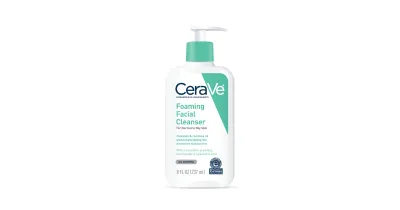
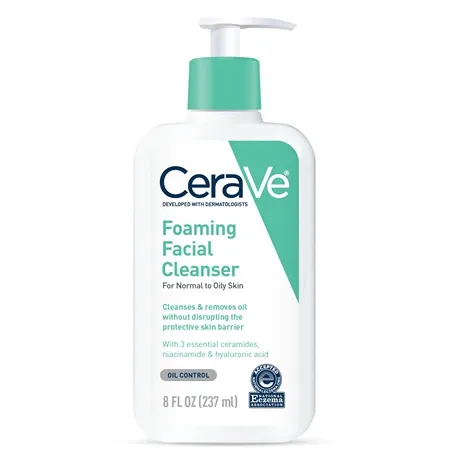
CeraVe Foaming Facial Cleanser
A fragrance-free gel cleanser with three ceramides, niacinamide, and hyaluronic acid for normal to oily skin.
The CeraVe Foaming Facial Cleanser is our pick for oily skin in the best facial cleansers guide. It’s a gentle gel wash, not an acne treatment, and it has no drug active ingredient.
No benzoyl peroxide
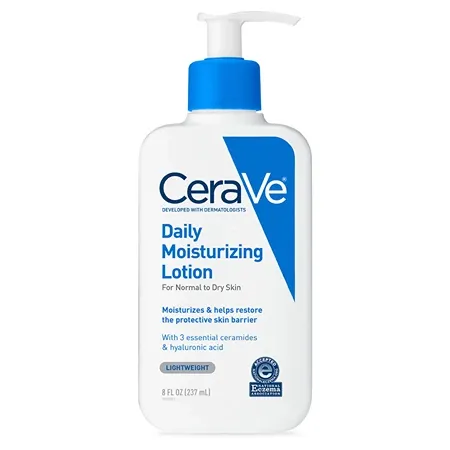
CeraVe Daily Moisturizing Lotion
Dermatologist-developed, fragrance-free lotion with ceramides and hyaluronic acid for 24-hour hydration.
The Daily Moisturizing Lotion is CeraVe’s lightweight everyday moisturizer. To compare it with similar drugstore options, see CeraVe vs. Cetaphil and Vanicream vs. CeraVe.
FAQ
Is CeraVe being sued?
It was. The class actions over benzene in CeraVe’s benzoyl peroxide acne washes were combined in federal court in New York and dismissed with prejudice on September 15, 2026. The plaintiffs have asked for reconsideration.
Which CeraVe products have benzene?
The lawsuit named only the Acne Foaming Cream Cleanser (4% BPO) and Acne Foaming Cream Wash (10% BPO). Benzoyl peroxide can break down into benzene, especially in heat. CeraVe products without benzoyl peroxide weren’t part of the claims.
Was CeraVe recalled?
No. The FDA’s March 2025 testing led to retail-level recalls of six products, including one lot of La Roche-Posay Effaclar Duo, also a L’Oréal brand. No CeraVe product was recalled.
Can I join the CeraVe class action or get money?
No. There is no settlement or claims process. The consolidated case was dismissed, and the class was never certified.
Is CeraVe Hydrating Cleanser safe?
The Hydrating Facial Cleanser has no benzoyl peroxide and wasn’t named in any lawsuit or FDA notice.
Does the lawsuit mean benzoyl peroxide is unsafe?
The court didn’t rule on safety. The FDA called the cancer risk from these products very low, and the AAD says there’s no clear evidence of dangerous benzene levels. Both say storage matters: keep benzoyl peroxide products cool and toss them when they expire.