
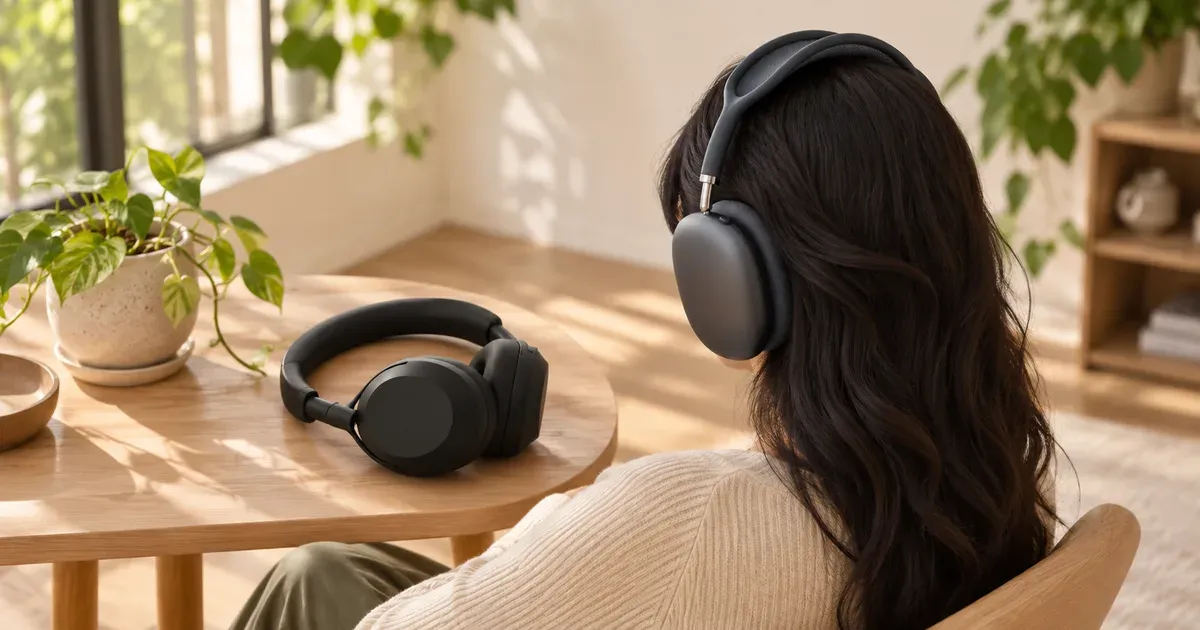
For most people the Sony WH-1000XM6 is the better buy: $348 on Amazon on November 23, 2026, with 30 hours of battery with noise cancelling on, a 254 g weight and a folding design. Get the AirPods Max 2 ($419 on Amazon, $549 at Apple) if you’re deep in Apple’s ecosystem and want Apple’s iPhone-only features such as Adaptive Audio and Live Translation, and lossless 24-bit audio over USB-C. The Max 2 runs 20 hours, weighs 386.2 g (about 132 g more) and costs $71 more today. On Android, it works only as a basic Bluetooth headset.
Side by Side
| AirPods Max 2 | Sony WH-1000XM6 | |
|---|---|---|
| Price on Nov 23, 2026 (Amazon) | $419 (list $549) | $348 (list $459.99) |
| Released | March 2026 | May 2025 |
| Battery, ANC on | 20 h | 30 h (AAC/SBC/LC3); 26 h LDAC |
| Battery, ANC off | Not listed | 40 h (AAC/SBC/LC3) |
| Quick charge | 5 min ≈ 1.5 h | 3 min ≈ 3 h (USB PD 9 V/2.3 A) |
| Weight | 386.2 g | About 254 g |
| Case | Smart Case (134.5 g) | Folds; compact case with magnetic closure |
| Wired audio | Lossless 24-bit/48 kHz and low latency over USB-C (cable included); no 3.5 mm jack | Headphone cable included |
| Codecs | Not listed by Apple | SBC, AAC, LDAC, LC3 |
| Multipoint | Not listed by Apple | Yes, 2 devices |
| Chip / processor | H2 in each ear cup | QN3 noise cancelling processor |
| Water rating | No IP rating | None listed |
| Colors | Midnight, Starlight, Blue, Purple, Orange | Black, Platinum Silver, Midnight Blue, plus later colors |
The Differences That Matter
Battery and weight favor Sony. Sony’s Help Guide gives 30 hours with noise cancelling on; Apple’s spec page gives the Max 2 20 hours, the same as the previous AirPods Max. At about 254 g, the Sony is a third lighter than the 386.2 g Max 2.
Apple features need Apple devices. The Max 2 gets Adaptive Audio, Conversation Awareness, Personalized Spatial Audio with head tracking, Live Translation, Voice Isolation and Loud Sound Reduction with an iPhone. On Android, Apple says AirPods work as a Bluetooth headset for listening and calls only. The Sony works the same on iOS and Android through Sony’s app.
Wired listening. The Max 2 plays lossless 24-bit/48 kHz audio and ultra-low-latency audio over its USB-C cable, but has no 3.5 mm jack. The Sony takes an analog headphone cable, which plugs into airplane seat jacks.
Codecs. The Sony adds LDAC on Android and LC3 for LE Audio. Apple doesn’t publish codec specs.
Noise cancelling. Apple says the Max 2 cancels up to 1.5 times as much noise as the previous AirPods Max. Sony runs 12 microphones through its QN3 processor. Neither publishes a figure that compares the two.
Prices on November 23, 2026
- AirPods Max 2: $419 on Amazon, sold by Amazon.com ($130 off). Apple charges $549 and adds a $75 Apple Gift Card from November 27 to 30, which still leaves it above Amazon’s price.
- Sony WH-1000XM6: $348 on Amazon, sold by Amazon.com, with a Black Friday deal badge.
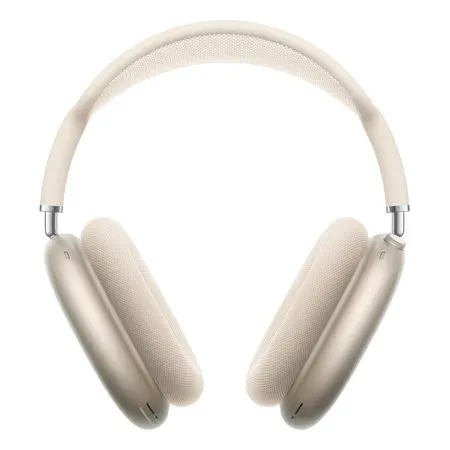
Best for iPhone and mac
Apple AirPods Max 2
H2 chip, 20 hours with ANC, lossless USB-C audio and Live Translation. $419 on Amazon (Midnight).
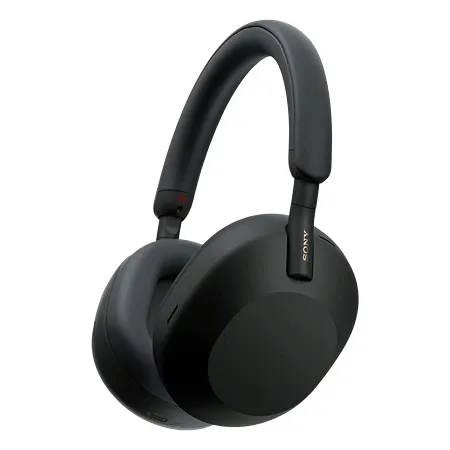
Best for most people
Sony WH-1000XM6
30 hours with ANC, 254 g, folding design, LDAC and multipoint. $348 on Amazon.
Which Should You Buy?
- Sony WH-1000XM6: long flights, Android phones, anyone who wears headphones for hours (lighter, longer battery), and anyone who wants the lower price.
- AirPods Max 2: iPhone, iPad and Mac owners who want Apple’s spatial audio, Adaptive Audio and translation features, and who plan to listen wired over USB-C.
More on each: are AirPods Max worth it, is the Sony WH-1000XM6 worth it, and Sony WH-1000XM6 vs. Bose QuietComfort Ultra Headphones.
AirPods Max 2 vs. Sony WH-1000XM6 FAQ
Which has longer battery life?
The Sony WH-1000XM6: 30 hours with noise cancelling on, vs. 20 hours for the AirPods Max 2.
Is the AirPods Max 2 heavier than the Sony?
Yes. The Max 2 weighs 386.2 g; the Sony weighs about 254 g.
Does the AirPods Max 2 have a headphone jack?
No. It plays wired audio, including lossless 24-bit/48 kHz, over USB-C. The Sony includes an analog headphone cable.
Does the AirPods Max 2 work with Android?
As a basic Bluetooth headset for listening and calls. Apple’s settings and features need an Apple device.
